Category Archives: Uganda

Living the best day ever

This is a cross-post of an article that I wrote for the Africa edition of ehospice news reflecting on the lessons learnt from Hendri Coetzee’s book ‘Living the best day ever’. 

kadoma1
Palliative care, by definition, is both a science and an art form that involves accepting the reality of death. What you have left when you accept this is what the profession calls ‘preserving or improving the quality of life’.

Never before though, have I been challenged to re-examine the concept of ‘quality of life’ than when reading Hendri Coetzee’s book: ‘Living the best day ever’.

Hendri Coetzee was a South African living in Uganda perpetually searching for the best day ever. This search led him to become a legend throughout the extreme sports and exploration world.

In 2004 Hendri led the first ever complete descent of River Nile from source (Lake Victoria) to sea (the Mediterranean). The 4,160 mile trip took four and a half months and crossed two war zones.

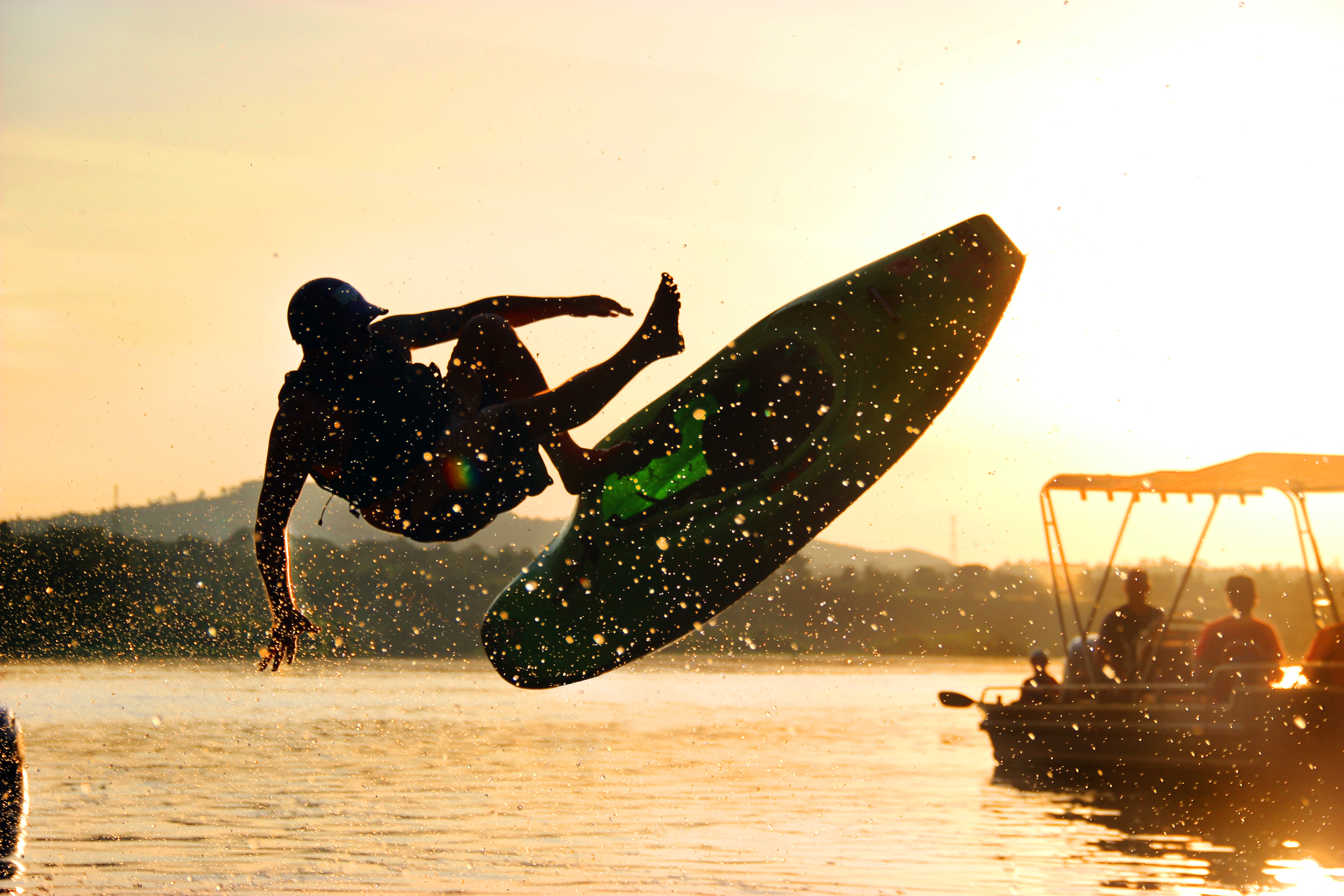
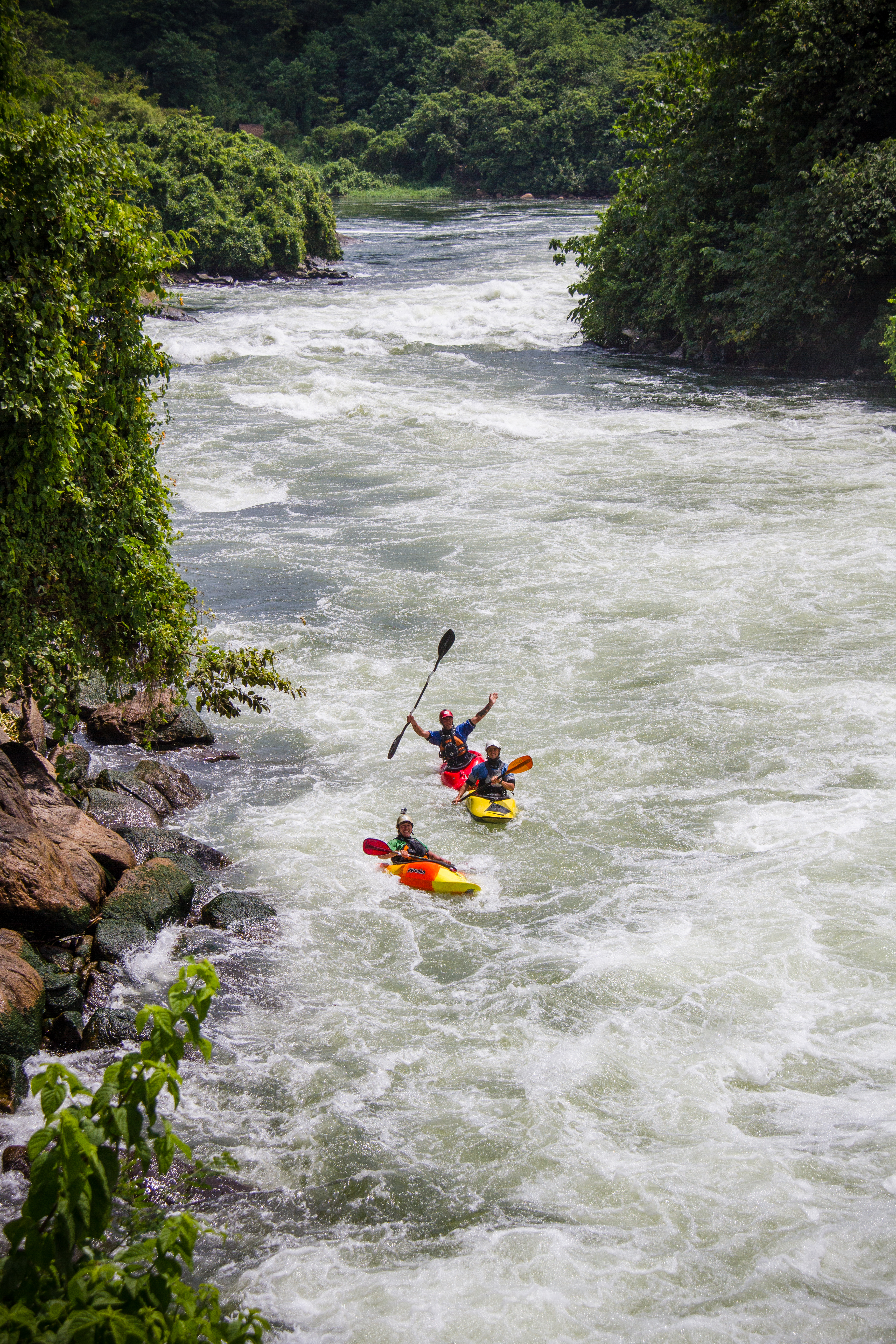
Coetzee was also the first person to run the rapids above the Nile’s Murchison Falls, a section of river filled with some of the biggest white water in the world, and holding one of the highest concentrations of crocodiles and hippos.

He would go on to complete this section of river a further seven times and he remains the only person ever to run the section by himself. He also ran large sections of the upper and lower Congo River, walked 1000 miles along the Tanzanian coast and was the first person ever to snowboard the glaciers in the Ruwenzori Mountains.

In short, his résumé was one of the most impressive in the business.

It was not, however, his outlandish adventures that makes Coetzee’s book such a challenge for anyone to read, but his burning passion for life. Deep within all of his adventures was an intertwined journey to accept the fullness of life – to be able to appreciate it to its full. Only by understanding and ultimately accepting one’s death, Coetzee believed, can we truly experience a ‘quality of life’.

Speaking to some, and by no means all, palliative care patients I have come across a stillness – a deeper happiness – that I have rarely seen elsewhere. It is a happiness that comes fundamentally from within, a spiritual or psychological wellbeing.

Does this come from an acceptance of one’s own death?

Early on in the book, when undertaking the Murchison Falls section of white water, Coetzee writes: “In our society we avoid the thought of death as if recognition alone could trigger the event. Thinking about your own death is seen as a sign that mentally, all is not well. Some people live their entire lives with the sole purpose of minimising the chances of it occurring to them, instead of preparing for the inevitable. After avoiding the issue for so long, it is almost soothing to invite death on my terms.”

Reflecting on this, I wonder how many palliative care practitioners spend their professional hours encouraging patients to think about their deaths, to make preparations and to become comfortable with the idea whilst then perpetuating the myth in their own lives that life is infinite?

I only speak for myself when I write that I am too often guilty of this self-delusion.

To live a truly high ‘quality of life’ do we have to be comfortable with the idea of our death? I don’t know.

For Coetzee though, this acceptance was clearly linked to the life he chose to lead. Writing about his desire to keep going on clearly dangerous expeditions he wrote: “Psychoanalysts may diagnose a death wish, but missions like these enhance the appreciation of life. It is no coincidence that death and rebirth are related in all forms of religion and spirituality. When you accept that you are going to die, and it will be sooner than you think, it becomes impossible to merely go through the motions.”

Even the acceptance of my own inevitable death cannot push me to actions that so invite the prospect of death earlier than it otherwise would arrive. There is too much to live for to put my life on the line in search of living just that one day to the extreme – in the search for the best day ever.

That said, it is imperative for the palliative care community to understand the full spectrum of thought that exists out there. Just as there are people who are terrified of the concept of their own passing so there are people like Coetzee that can write the following words:

“Death is coming for us all…the day we will have to face the crossing will come sooner than we think. I hope my day is many many years away, but… I don’t want to make the greatest leap in life in a vague dream. I want to have the chance to look it in the eye, to say: ‘You have had me in your sights all your life, but it’s on my terms that I come.’ Tibetans believe that one can find enlightenment at the moment of your death, as long as you prepared yourself for it during life…I have had the best day ever more times than I remember. So yes, I believe I am ready to die if that is what is needed to live as I want to.”

Hendri Coetzee was pulled from his kayak by a crocodile deep inside the Democratic Republic of the Congo and his body was never recovered.

At the end of his last ever blog entry though, after completing a section of river that many assumed impossible to kayak, he wrote: “We stood precariously on a unknown slope deep in the heart of Africa, for once my mind and heart agreed, I would never live a better day.”

I have no idea if – when it came – Hendri Coetzee was prepared for his death. It is clear though, that he lived life to the full and died in way he had to have expected.

Not many of us can say that and for that alone ‘Living the best day ever’ is worth reading. I think we can all learn something from Hendri Coetzee approach to both life and death.

2 Comments

Filed under Health, Social comment, Travel, Uganda

70 years of mountaineering in Uganda

An edited version of this article was published in Saturday’s Daily Monitor – Uganda’s best selling independent newspaper. 
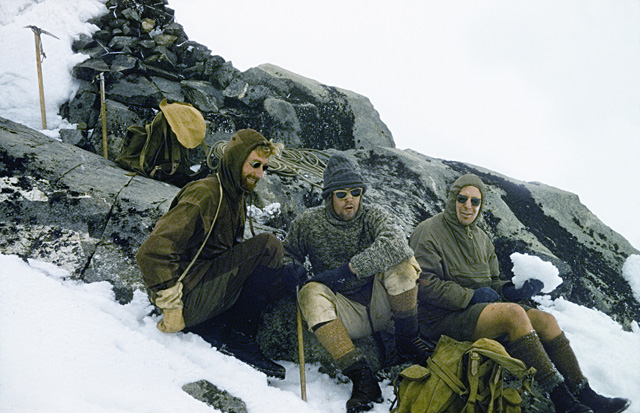
11615Summit Speke
As the late afternoon mist draws down the valley the spectacular peaks of the Rwenzori mountain range are left tantalising exposed, reaching high up into the bright warm sky. The image of snow packed glaciers glistening on rocky mountain tops so close to the equator is one of the many wonders of mountaineering in Uganda and is cherished by those lucky enough to witness it.

Standing atop these majestic snow covered peaks is an experience that only a few have managed and perhaps, due to melting glaciers, only a few more will have the chance to see. Many perceive these peaks as too cold, dangerous or difficult to reach, but since its inception in 1945 the Mountain Club of Uganda (MCU) has been accessing and documenting the foothills and the peaks of this magnificent mountain range.

Soon to celebrate its 70th birthday, the MCU has undertaken renewed efforts to expand the Club and to fulfil its core mission: to encourage everyone in Uganda to enjoy, explore and celebrate the outstanding natural beauty that Uganda has been blessed with. This inevitably includes the mountaineering jewel – the range of the Rwenzori Mountains, but goes beyond this to cover all areas of the country.

Charlie Langan, the current President of MCU, talks keenly of the diversity of mountaineering in Uganda, saying, “Although the Rwenzoris provide an impressive challenge for anyone, Uganda has so much more to offer. From the hills of Agoro in the north, to the spectacular peaks of the Virungas in the south west, from the crater lakes of Fort Portal in the west to the peaks of Kadam and Napak in the East, Uganda has something for any level of fitness, enthusiasm and experience. At MCU we are here to help people get out and enjoy the outdoors in this incredible country.”

The MCU was first founded in the Geography Room in another of Uganda’s long standing institutions, Makerere University in Kampala.  The Club was originally founded as the Uganda section of the East African Mountain Club by Rene Bere along with students and lecturers but soon developed into the ‘Mountain Club of Uganda’ – a name that it still proudly bears today.

Indeed, it was in these early years that the MCU laid down the foundations for mountaineering in the country. Deo Lubega, the Club’s Patron who has been active in MCU for over 25 years, reminds newer Club members that it was the MCU who between 1949 and 1958 built a circuit of six huts on the Rwenzori Mountains as well as a hut on Mount Elgon and on Mount Muhavura. At the time the Club was dominated by expatriates but very early on decided to offer training for interested Bakonjo porters to offer formal porterage services on the Rwenzoris as an alternative source of income.

As such in 1960 Timothy Bazarrabusa became the first Ugandan to climb Margherita peak, 5,109m above sea level – the highest point in the Rwenzori range and Uganda. Bazarabusa went on to become the President of MCU and later its Patron and a key advocate for mountaineering in Uganda.

In 1972 MCU Presidents Henry Osmaston and David Pasteur published the “Guide to the Rwenzori’s”- a definitive guide to the range and its history and peoples. Along with Andrew Stuart and James Lang-Brown, these were some of the key figures in the history of mountaineering in Uganda who have documented and explored the mountain areas of Uganda.

Since that time the Club has held a commendable but somewhat discontinuous existence, due to political instability and restricted access to the mountains due to civil unrest. Today, as the MCU turns 70 it continues to build on its proud history and to open its doors to members old and new.

Langan, the current MCU President, commented, “In the last few years the Club has grown from a handful of people interested in mountaineering to a vibrant and diverse community of people eager to enjoy the outdoors. We have spread beyond simply walking and climbing and now regularly kayak on the river Nile, mountain bike through forests and villages and of course, meet up regularly to socialise with like minded friends.”

This ethos of encouraging others to enjoy the outdoors has also driven the Club to try and document the potential for climbing, walking and other activities in Uganda. Just as the Club proudly published a ‘Guide to Rock Climbing’ in 1963, so the Club is today editing the final draft of an updated guide to encourage others with a sense of adventure to leave the comfort of Kampala to head out and explore the extraordinary outdoor environment that Uganda has to offer.

More information:

Web: www.mcu.ug
Facebook: www.facebook.com/groups/mountainclubofuganda
Regular events: http://www.mcu.ug/?page_id=19

This slideshow requires JavaScript.

2 Comments

Filed under Outdoors, Travel, Uganda

Some reflections on learning to kayak on the River Nile

Paddling past 'The Bad Place' on the River Nile

Paddling past ‘The Bad Place’ on the River Nile

I have always loved the outdoors and growing up I occasionally ventured out onto the flat waters of the River Wye, close to my parent’s house in the UK, to do some paddling with my local scout group.

As much as enjoyed these ventures out into the pleasant surroundings of the Wye valley, kayaking remained for me a sport that failed to conjure the passion or excitement of other sports I loved in my teenage years such as mountaineering, football or skiing.

When I moved to Uganda then, it took me almost a whole year until I was persuaded by friends into trying my hand at white-water kayaking on the River Nile.

In retrospect my biggest regret is that I waited this long to try it. Equally though, it was far from love at first sight, or perhaps a more appropriate axiom, all plain sailing from the start.

Getting off the water at the end of the first lesson I knew that a seed had been planted that had the potential to grow into a real passion. I made a conscious choice, despite feeling apprehensive, to give this seed the best chance possible to grow and booked myself onto an additional four lessons with the kayak school ‘Kayak the Nile’.

At that stage, I can remember distinctly feeling that my enthusiasm for kayaking could go either way. As much as I enjoyed the adrenalin of kayaking my first rapid, I also remember a few hours earlier the less pleasurable spluttering for air as I first attempted an upside-down ‘t-rescue’.

Looking back on the last 10 months of padding, I can see though that it was as much the spluttering for air moments, the times I had to work hard, to persevere at practicing skills as it was the exciting splashing down rapids that have helped grow my initial excitement into a real passion.

The hours I spent alone in mate’s swimming pools practising, sometimes successfully and sometimes not, my flat-water role and the sense of achievement at now rolling in (quite) big white-water stands as just one illustration of this.

Unlike some friends that I see now out on the water I don’t feel like kayaking came naturally to me. It took me a bit longer than what I have observed to be ‘normal’ to start feeling relaxed out on the water and especially upside-down.

Even now, 10 months after starting this sport, I still feel panicked when I move into territories that are new to me. Just last weekend I went to surf a wave that was much larger than I was used to and this filled me with an apprehension that, at least in part, dictated how I kayaked on the wave.

It only seems fair at this point to give a virtual hat-tip to the instructors of ‘Kayak the Nile’ who seemed to instinctively know that when I said my goal was to ‘feel in control on the wave’ I was not just referring to the physical challenge of staying up-right but the psychological one of staying relaxed and confident.

Without the careful and consistent guidance of the instructors I am convinced that my seedling of passion planted on that first lesson could easily have been flushed away at any moment.

For as much as I am grateful to the instructors though it is an interesting reflection to note that learning to kayak is also a lot about learning to understand and control yourself. It is not just about taught new skills.

It might sound like an exaggeration to say kayaking teaches you to ‘learn about yourself’ but from a personal experience I can say that one of the most rewarding parts of learning to kayak has been the journey of learning to stay psychologically more in control (for I still don’t feel 100% in control) out on the water.

My passion for kayaking on the Nile though goes beyond all of this.

There is something really profoundly special about being about being on such a huge powerful expanse of water.

Out the Nile I feel something comparable to how I do in large mountain ranges. I feel a sense of my own size and vulnerability in the grand scheme of nature, I feel a sense of wonder at the amazing beauty that surrounds me and a sense of profound appreciation that I am lucky enough to have experienced it.

Even the experience of being near the Nile the night before feels magical. I love waking up after camping on the banks of Nile to see the strong sunlight breaking through the trees with the sort of intensity you only really get on the equator. I love lying in my tent hearing the powerful sound of the water in the rapids carving itself through the rocks in the Nile. I love the, admittedly quite hippy, idea that kayaking is about harnessing the amazing power of nature and working with it.

DSCN5090

Most of all though I think enjoy sharing this passion with people. I love seeing friends do their first lesson, first roll, or first trick on a wave. I love watching those with less experience than me and seeing them progress as much as I love watching those with far more experience than me and feeling that mixture of aspiration and dread about what I might, or might not, be able to achieve in the future.

When I move away from the paddler’s paradise of the River Nile I have no idea if this passion will stay with me but I do know that at this moment I really hope it does.

Leave a comment

Filed under Sport, Travel, Uganda

My guide on how not to prepare and run a half marathon

In pain after my latest 21km of badly prepared for running

In pain after my latest 21km of badly prepared for running

‘A specialist in failure’ is how would so far sum up my running career. Three half marathons spread over 5 years and each one has, in its own way been a gigantic disaster.

Firstly my running history…

At the 2009 Brussel’s half marathon I undertook some serious training and at the nimble age of 23 I thought I might have a good chance of running it in a half decent time. I have since learnt that pints of gin and tonics the night before are not the best preparation for a 21km run.

Despite the hangover I stumbled round the course in 2:10.

Of course, the 2009 Brussel’s half marathon was meant as a warm up 5 weeks before the Stroud half marathon in the UK. Sadly, after literally stumbling over the finish line in Brussels and then starting a new job, my training schedule essentially ceased to exist.  I stopped running.

Again, I have since learnt that doing no exercise 5 weeks before a 21km is not such a good idea. However, hangover free and with a good night’s sleep behind me I managed to cut 10 minutes off my time and sneaked in just under 2 hours (notably 7 minutes slower that my to be father in law who is in his 50s and was running his first half marathon at the time).

On this latter occasion though I was running to raise some money for CLIC Sargent – an organisation that provides care for young people with cancer. So the money raised for a good cause provided a nice silver lining in Stroud.

For the last 5 years though I have dwelled slightly on these two relative failure of runs and always thought that I could, if I avoided being drunk and kept to a training schedule, manage to run a half marathon in a way that I was proud.

And so, 5 weeks ago I decided to sign up for the ‘Run for Fun’ race between Entebbe and Kampala here in Uganda.

I haven’t really run (let alone for fun) since 2009 and so the observant amongst you might have spotted a flaw already – 5 weeks really is not long enough to prepare for a half marathon.

However what I lacked in time, fitness and basic training I made up for in optimism. I not only signed up but also decided to start fundraising for the ‘The African Palliative Care Association’ (see ‘Why I am running for APCA’).

The problem with fundraising for a great cause is that it means you have to go public – you have to share your fundraising page on facebook, twitter and your blog etc. In other words, in my mind at least, there was no backing out.

2 weeks into my inadequate 5 week training I hit a rather painful stumbling block. Once again alcohol was at the root of the problem. Rather drunkenly on a Friday night I fell off the top of a moving Land Rover (spare me the ‘it could have been a lot worse’ comments, I quite realize this).

Luckily I did nothing more than land heavily on my bum – although it could have indeed been a lot worse.

This little alcohol induced stumble though did cause a lot of swelling all round my hip which took about 2 weeks to go down and left all of my muscles feeling rather tight.

For the last week before the date of the half marathon then I did not (could not) run. All I could do was a lot of stretching.

By the time the run came about my leg was feeling ‘OK’ with the exception of my groin that was still feeling tight on my right side.

In retrospect I had my doubts but spurred on my fiancé who was also running and who had also missed weeks of training due to a throat infection I thought I would ‘give it a go’ on the basis I could always stop if it started to really hurt.

16.5km and 1:45 into the race I was a feeling a bit tired but generally OK before sharp pains started shooting all down my left leg. This resulted in me limping the last 5km over a 45 min period brining me over the finish line at around 2:29.

To say that it was hurting at the end is an understatement (see above photographic evidence of me just over the finish line). This was, by far, the most pain I have been in after a half marathon! I guess not too surprisingly.

Despite this third failure our fundraising efforts once again provide the silver lining. 22 people donated a total of £332.69 to the African Palliative Care Association (You can still donate to this exceptionally good cause by clicking here).

So thank you to each and every one of you who donated!

And there it is, my running career, how I am slowly becoming a ‘specialist in failure’ and a few hints and tips on how not to prepare for an run a half marathon!

The only question remaining is…have I got one more in me? Will I manage to run a half marathon, sober, fit and well prepared?

Maybe.


5 Comments

Filed under Sport, Uganda

Why I will be running for the African Palliative Care Association

APCA_logo final_NEW STRAPIt is important to state from the start, I don’t like running and nor am I any good at it. You would be right then to comment that it seems just a smidgen odd to decide to run 21 kilometres, out of my own free will, however good a cause it is for.

Well let me assure you that it is for an exceptionally good cause. I am fundraising for the African Palliative Care Association (APCA). APCA has been my employer now for the last 18 months. I am not too proud to say though that when I started working for them I knew little about palliative care – let alone palliative care in Africa.

I guess I was a little naive but I never expected the raw reality that I was met with on day one of my job. Literally millions of people suffering the most debilitating of pain because they don’t even have access to basic elements of palliative care such as access to pain medication.

I started to grasp the magnitude of what this actually meant when I went with staff from Hospice Africa Uganda on home visits. I met patients and their family who benefited from having access to oral morphine and who had grappled back a sense of normality in their life.

I remember meeting Bruno on the outskirts of Kampala. I remember how he had said to me that “You cannot be happy to see your dad suffering”. But most of all, I remember how deeply sincere he was when he thanked the hospice staff for coming, for caring and for bringing his monthly does or oral morphine.

This realisation though of how important palliative care services are only truly sunk in when I met someone who, like most Ugandans, did not have access to this service.

That person asked me not to publish her name and I can understand why. She spent 6 months nursing her mother who died of cancer as the rest of the family refused to let her seek medical help because of the financial implications. She watched her mother everyday lie in bed unable to move because of the pain she was in. With tears in her eyes she said to me one of the most powerful sentences that I have ever heard: “When I die, I don’t want to go like that.”

This is what APCA campaigns for. To ensure that no-one in Africa dies without access to palliative care.

Over the last 18 months of working for APCA I have almost every day had a realisation of some sort. Sometimes it is still about how dire the situation is in many parts of Africa. Other times it is about these faceless numbers impact on people lives. But increasingly these realisations come through meeting the varied and wonderful volunteers and staff who working to change all this.

Because of a small band of committed people there are now policies, projects and pain killers popping up all over Africa. The staff and volunteers I have met have at times humbled me but more often than not, they have inspired me.

In South Africa the national association is supporting the training of traditional healers in palliative care. In Uganda they have been training journalists and editors. In Zambia they are engaging the HIV AIDS community. All people who used to see themselves as separate to palliative care all now working to ensure everyone has access to these services.

When the palliative care community reaches out – others cannot help but to respond seeking out what they can do, how they can contribute to helping to end this perfectly preventable humanitarian disaster of untreated pain.

It is a natural response that I too felt.

But what can I, as a non-medical professional, contribute? And that’s when it struck me that even if I was already over stretched professionally, I could always do something that anyone of us could do…run a half marathon to raise money and awareness for APCA’s work.

And so, not only do I want you, if you can afford to, donate to APCA through my ‘Just Giving’ page. I would also love you to help me raise awareness of palliative care in Africa. Can you share this article on facebook, visit APCA’s website, or share this video?

Together I know we can do this – there are already hundreds of talented wonderful people out there doing the most amazing work. It might not be obvious how you can help but believe me, just by reading this article you have taken your first step.

There is a long-way to go and my half-marathon is really just the first few steps but together we can make a real difference.

You don’t have to believe me, just go and listen to patients both with and without access to palliative care and you will soon see the difference it can make.

1 Comment

Filed under Health, Uganda

Ice Bucket Challenge: Pour a bucket of water over my head? Not in Uganda I won’t

This is an article that I wrote for The Daily Telegraph about why I didn’t complete my ‘Ice Bucket Challenge’ but did make a donation to Water Aid. 

telegraph 2

You can read the whole article in The Daily Telegraph by clicking here

You can watch the video below

https://www.youtube.com/watch?v=i6bi8lDtwgY&feature=youtu.be

Leave a comment

Filed under Media, Social comment, Uganda

A visit to Mulago Hospital in Kampala, Uganda

DSC_0004
As we enter the long corridor a strip light overhead flickers for a final few seconds before finally joining some of the other lights in the corridor that have long since given up and now do little more than collect dust. The few remaining lights throw strange long shadows down the corridor next to the wheeled beds that rest head to toe along the side of the corridor. It reminds me of the Kampala traffic jam that stacks up outside the hospital in the choking city heat.

No natural light makes it into the corridor but somehow the faint smell of congested traffic makes it up onto the third floor of Mulago Hospital to intermingle with the smell of humans and disinfectant. Avoiding the few harsh strip lights that still work, patients lie either in the shadow of their own headboards or with their thin sheets pulled over their heads.

As I walk down the corridor I step carefully over the relatives, water bottles, half eaten meals and other day to day items that are dotted across the floor. The patients rely on relatives for not just company but also for a lot of the day to day care they need. The smell as you pass some patients makes it abundantly clear that some patients are not receiving the care they need.

I glance sideways making small talk with my eyes to some of the patients whilst trying to keep moving on and keeping up with the representative of Hospice Africa Uganda who I am shadowing. Dressed in the dark blue shirt with a golden collar that marks her out as a member of the palliative care team my host takes large confident strides that exposes her familiarity with the surroundings.  She doesn’t look down as she steps over brothers, books and broken bits and pieces. Instead she angles her thick note book that she is carrying towards the strip light above and looks over notes of the patients she is there to visit.

DSC_0064
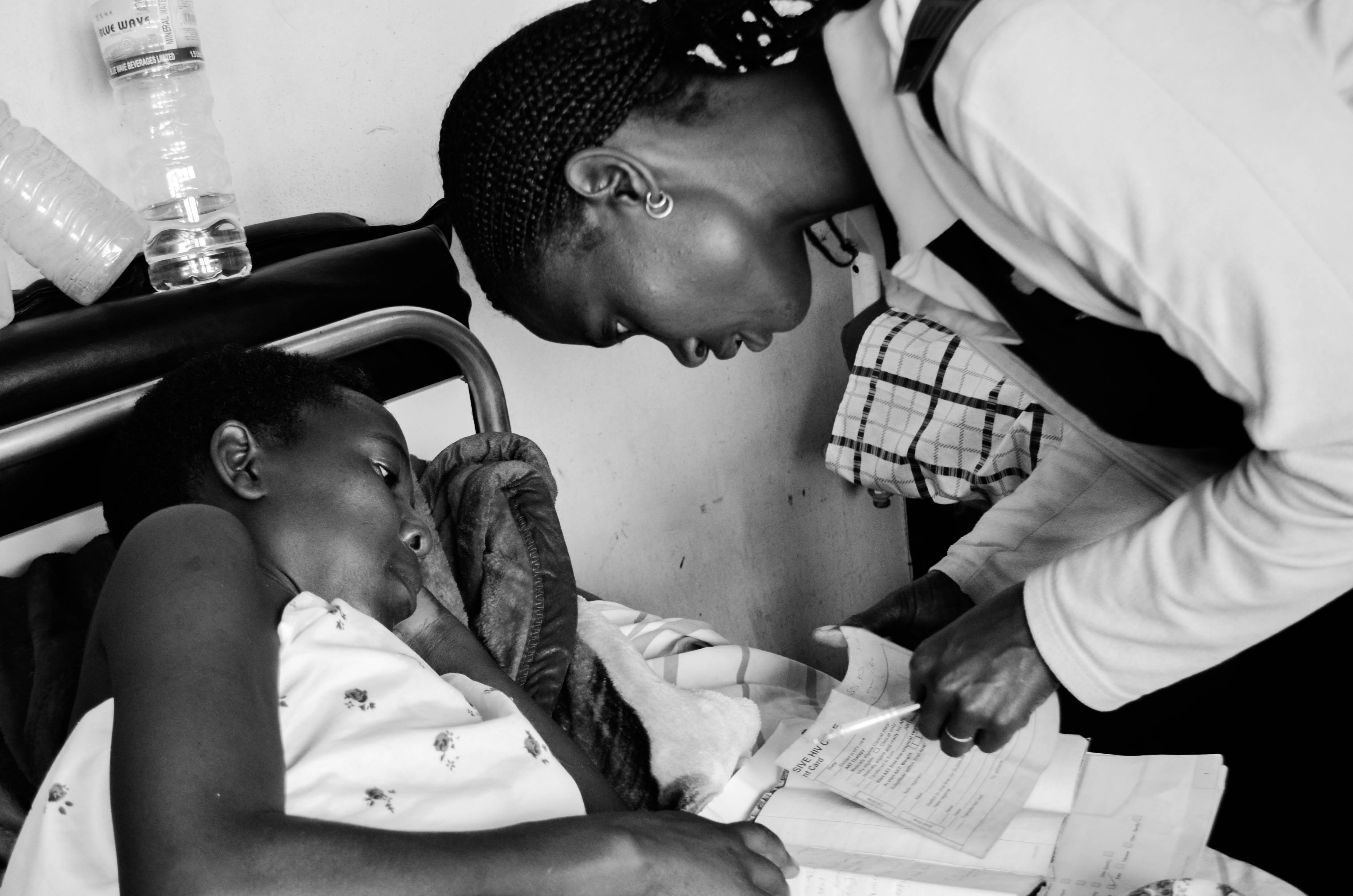
We push through some thick wooden swing doors on our left into a room that has one of the young patient we are there to visit as well half a dozen others. The patient we are visiting has terminal cancer and relies on the visits of the Hospice Africa team to bring oral morphine to help her with the considerable pain she would otherwise be in. My host from Hospice Africa Uganda goes straight to her bedside and lowers herself and her voice as she makes confident but kind eye contact with the patient. Speaking in the local language, Luganda, my host subconsciously runs her fingers over the shoulder of the patient as she speaks.

I am told that they ask how bad the patient’s pain is and decide that the current level of morphine is suitable. The sister of the patient, herself barely out of her teenage years, looks on with the juxtaposition of her own youth intermingled with the inevitable death that rests so close to her own, and her family’s, life. Looking as though she is unsure of her role in the nurse/patient dynamic that plays out in front of her the sister reconciles her position by just being physically close to her sister. Both protective and supportive she leans on the bed side throughout the consultation.

DSC_0039
Selfishly my thoughts drift as the Luganda speech drifts around me. I start to think about how if I was diagnosed with terminal cancer I would want to be free, bathed in natural light and surrounded by fresh air not stuck in a overcrowded hospital. Almost immediately I catch myself and realise how ridiculous this thought is – all across Uganda there are patients who are dying of cancer in natural sunlight, surrounded by fresh air with their families who are also in insufferable pain because they have no access to the medical support they need. The pain medication, oral morphine, which the hospice team was there to deliver is little more than an aspiration to most cancer patients in Uganda – let alone early diagnosis and treatment.

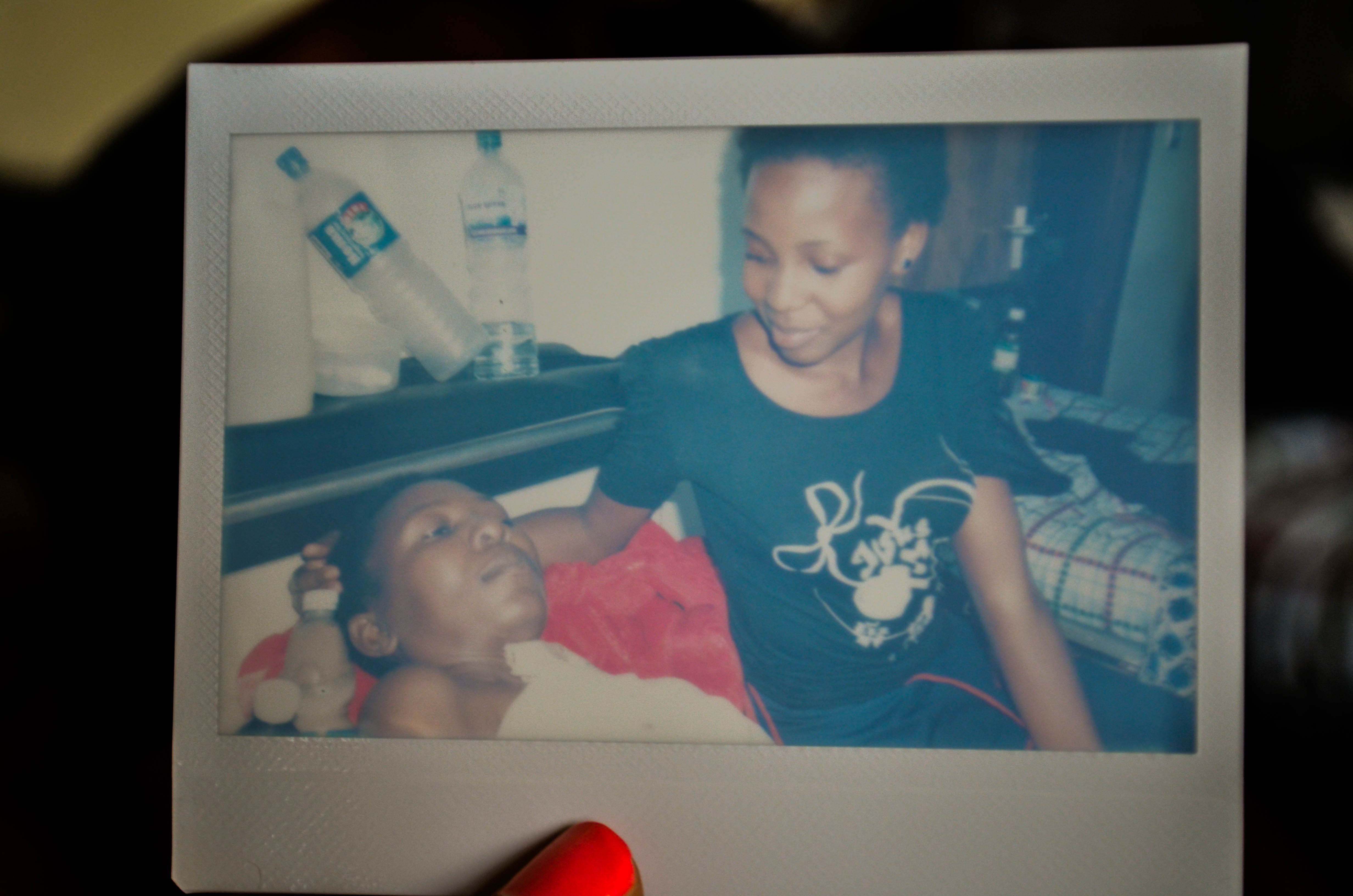
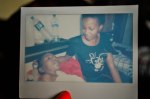
Just before we leave, a colleague from the US organisation ‘Treat the Pain’ asks if the patient would like a Polaroid picture with her sister. For the first time a flicker of excitement crosses the patient’s face and she shuffles a symbolic couple of centimetres up the bed for the photo. Together the two sisters sit with their heads pressed together watching as their own images slowly appears in the Polaroid picture.

As we stand to leave we collect up our belongings leaving nothing but the sister, the patient and the Polaroid picture behind.

Speaking later when we are far away from the cluttered dark corridors of Mulago I talk to my colleague from Treat the Pain and we both reflect on how the photo felt like a symbol of how little we could offer as non-medical staff in such situations. The stories we write, the advocacy we engage in, and people we interact with will hopefully change the lives of many more patients to come, but for that one girl and her sister we could offer nothing more than a Polaroid picture – it felt useless.

I know in both my heart and mind that it is important to record stories, to take down testimonies, to photograph suffering. I know it, but sometimes it is hard to feel it in the intensity of the personal suffering you have barged in on, especially when you can offer so little in return.

DSC_0080


Click to enlarge the photos.

1 Comment

Filed under Health, Uganda

Watch the first of the Al Jazeera series on access to medical morphine

aljazeera011613I occasionally link here bits of my work with the African Palliative Care Association that I think could be interesting to a wider audience.

Here is a short Al Jazeera report on access to morphine in Uganda that I helped coordinate. It serves as a nice introduction to the subject that leaves millions suffering from perfectly preventable pain.

https://www.youtube.com/watch?v=mrRUwTj_EMY

The film was shown on repeat last week. On Thursday they had our Executive Director, Dr Emmanuel Luyirika, on to speak about the subject. You can watch the interview here:

In Uganda, a regional leader in terms of medical morphine availability, only one in ten people who need medical morphine have access to it!

For more information:

Help out:

At the moment millions of Africans suffer terrible pain because they don’t have access to really basic pain medication that many people in Europe take for granted. If you feel like I do that no-one should be left to die in pain then please consider:


1 Comment

Filed under Health, Uganda

10 incredible pictures from the white-water kayaking Nile River Festival

1 by Alexey Dudkov
I wrote a short report for The Great Outdoors (TGO) magazine of the Nile River Festival 2014

Click here to read the article and to see the 10 incredible photos.


Leave a comment

Filed under Outdoors, Uganda

Patient photos from Hospice Africa Uganda

Last week I visited Hospice Africa Uganda. I was lucky enough to spend a couple of hours with some of the patients. I had a really wonderful time.

Sometimes people think of hospices as places where people go to die. This perception is so different to the reality I experienced. This is, at least in part, why I wanted to share these photos. During my visit I was blown away by the vibrancy of life the patients radiated.

Click on the images below to see them enlarged.

*Please do not reuse these photos without my consent. Thanks. 

2 Comments

Filed under Health, Photography, Uganda

Adventure holidays and trips in Africa for 2014

This article was written as part of The Guardian’s ‘Adventure Sports Series’.

Kayak the Nile
From kayaking the Nile and mountain biking in the shadow of Kilimanjaro to exploring Africa’s amazing national parks.

Jinja, Uganda, is a town on the banks of the Nile that is gaining a reputation as the extreme sports capital of east Africa. This is, in part, thanks to the range of whitewater rapids on the nearby stretch of the river Nile.

You can read the whole article on the Guardian Travel site by clicking here >>> 

2 Comments

Filed under Outdoors, Travel, Uganda

Photographs: Fire at Kampala’s Owino market

For the 4th time in 4 years, Kampala’s Owino market has once again gone up in flames. the fire broke out this morning at approximatly 4:00am.

The rabbit warren of a market makes up a large section of downtown Kampala and is the largest open air market in Kampala. On the scene in the early hours this morning, the New Vision newspaper took these photos.

\
More photos from the fire can be seen on the New Vision facebook page.

Dramatic photos from the 2011 fire at Owino can be seen on Tom White’s photography site.

Leave a comment

Filed under Photography, Uganda

Learning to kayak the Nile

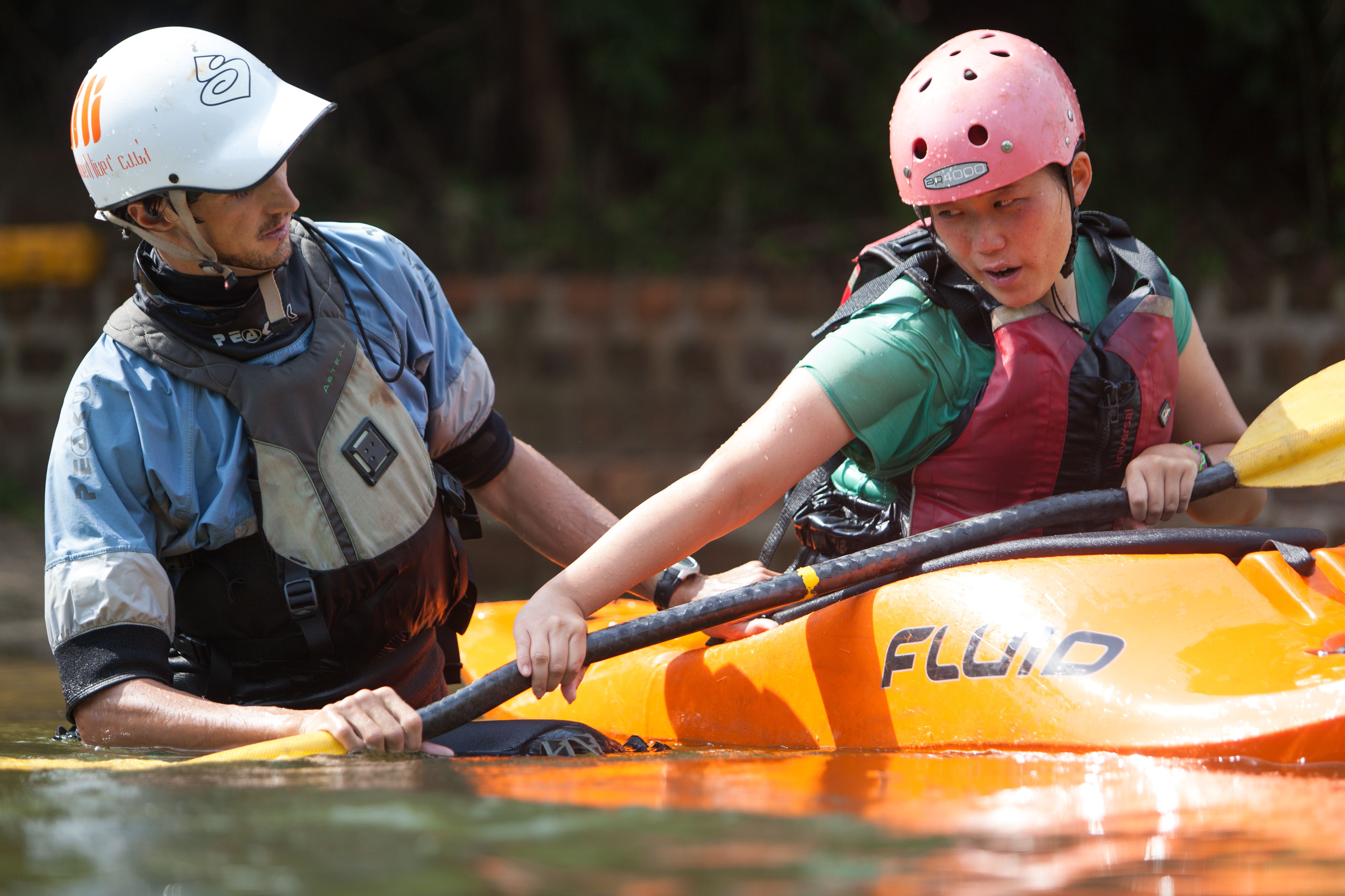
Waves crashes over the front of the kayak. All around, white water sprays up into the air. The relative calm of the flat-water section that follows this 100 meter long rapid seems like a long way off. Every wave that hits the side of the kayak holds the potential to knock this novice kayaker out of the boat and into the white-water. A few minutes later, the perilous waves that were surrounding the kayak are replaced. Now, all around are the ecstatic grins of the other first time white-water kayakers who have just completed the grade three rapid, aptly named, ‘Jaws’. This is just day one of the introduction to white-water kayaking course on the river Nile in Uganda run by Kayak the Nile.

Located a few kilometres to the north of Jinja, arguably the adventure tourism capital of East Africa, the Bujagali Lake offers a more tranquil start to the beginners learning experience. This large section of flat-water provides a picturesque area for first-time paddlers to practice their kayaking skills. The course begins with an introduction to basic kayaking techniques as well as safety and rescue techniques.

The credentials for the instructors passing on their knowledge couldn’t be higher. Out on the water on this morning offering instruction was Emily Wall, two times British Champion.  Perhaps more importantly than her experiences of competing at the highest levels of freestyle kayaking though, is Emily’s patience and obvious enthusiasm for teaching beginners.

Photo by Sim Davis

Out on the water, metaphors are used liberally to explain the movement and science behind kayaking. Whether it is through skiing or surfing Emily finds an analogy that relates to each of the would-be kayakers. Joanna Reid, a British nurse volunteering in Uganda, said after the session that, “Emily was world class and has a gift for teaching. She always made us feel safe. It was Emily and the team that made the day really enjoyable…”

But it’s not just the instructors who make learning to kayak at the source of the Nile special.

To start with, the water is dam released, making the rapids accessible, fun and relatively predictable 365 days a year. Every day you can expect an impressive 1600 cumecs meaning that you know you will have big volume rapids to learn on.

Secondly, the average monthly temperature in Uganda varies by less than two degrees meaning that most days you can expect the temperature to rise to the high twenties, but significantly, little more!

In short, it’s always shorts and t-shirt weather and not wet suits.

Lastly, the range of rapids on the river offers everything from grade 1 to grade 6 with an almost infinite number of lines into the rapids. With the right instructor there really is something for everyone, regardless of confidence and ability levels.

Explaining why she chose the Nile as her home for teaching kayaking, Emily said, “I have kayaked across five continents, yet I’ve chosen to call the Nile home because of the awesome training ground it provides for kayakers of all levels. The white water we have here on the Nile is unique; not only are the rapids warm and deep (with no rocks or crocs), the sun shines and the water flows all year around!”

Photo by Emily Wall

Photo by Emily Wall

In the afternoon then, the beginners head out to explore what this ‘training ground’ downstream of Bujagali Lake has to offer. Of course, fresh faced kayakers are not thrown straight into a grade three rapids. Most of the afternoon is spent practising breaking in and out of fast flowing water (and invariably putting rescue and swimming skills to practice).

But, as the afternoon draws on so the sense of excitement in the groups grows. The group of first-time white water kayakers paddle to a few hundred meters short of the ‘Jaws’ rapids. The river’s immediate horizon has spouts of white water kicking above it and there is the unmistakable sound of water crashing against rocks. Emily, with an ever calming voice gives the internally good advice, “whatever happens, stay calm”. Before adding, “Just keep an active paddle in the water and you’ll be fine”. And that was that.

With a healthy dose of luck and everyone vehemently following Emily’s suggested line through the rapids every learner kayaker comes out of the rapids the other end. Most, if not all, of them are still in their kayaks. But everyone, without exception, has the unmistakable grin on of someone who might have just stumbled across their new passion, white-water kayaking.

Photo by Emily Wall

Photo by Emily Wall

More information:

Visit: www.kayakthenile.com/
Follow: www.twitter.com/kayakthenile
Email: Info@kayakthenile.com

5 Comments

Filed under Outdoors, Politics, Sport, Travel, Uganda

Millions in Africa do not have access to morphine and suffer unnecessary preventable pain

This article was originally published on Left Foot Forward, Britain’s No 1 left-wing blog

Palliative care

Palliation – literally, the removing of symptoms of life-limiting illnesses such as pain – has been brought sharply into focus in Africa due to the dual burden of an ageing population and an increased disease burden.

To give just one example, 70 per cent of people living with HIV worldwide live inside sub-Saharan Africa, a region which constitutes only 12 per cent of the global population.

Millions of these people in sub-Saharan Africa require palliative care to address the medical/physical, social psychological and spiritual challenges as a result of the life-limiting illnesses.

Despite the large demand, there is still little palliative care provision across much of Africa. Many countries do not have any element of palliative care: no hospices, no formal training for medical professionals, no or little integration of palliative care into national health systems and often little public awareness.

It is estimated that only 9 per cent of countries in Africa have palliative care integrated into mainstream health services.

One of the largest challenges facing pain relief efforts in Africa is the availability of, and access to, oral morphine. It is thought that Hospice Africa Uganda, a centre of excellence of palliative care in Uganda, can mix a three week supply for a patient for ‘less than a loaf of bread’.

Despite this, oral morphine is still not widely available to most Ugandans, let alone the rest of Africa.

Bernadette Basemera, a palliative care nurse based in Kampala, explains part of the problem:

“Morphine wrongly incites fear: Doctors wrongly fear patients becoming addicted, the police wrongly fear drug related crime, and members of the government fear falling short of international drug control frameworks.”

As a result of this fear, millions do not have access to morphine and suffer unnecessary preventable pain.

In recent years however, there have been signs that this might be a thing of the past. In the last two years alone four countries – Rwanda, Swaziland, Tanzania and Mozambique – have all adopted stand alone palliative care policies.

Although policy development does not immediately translate into oral morphine availability, a number of countries such as Kenya, Nigeria, Zambia, Namibia Ethiopia and a few others have improved access to oral morphine. Meanwhile Hospice Africa Uganda, in a partnership with the Ministry of Health of Uganda, continues to produce and distribute oral morphine whilst at the same time offering training courses to practitioners from all over Africa.

At the heart of these developments are passionate workers like Bernadette. Once again working late, Bernadette describes why she wants to work in palliative care, saying:

“Palliative care is the sort of care that you would hope you and everyone you care about receives. No one wants to think of a loved one suffering unnecessarily.”

Bernadette offers a simple motivation for her work in palliative care. This simple motivation, however, could benefit millions of Africans. Palliative care needs to be rolled out, and people like Bernadette might just be the way to make it happen.

1 Comment

Filed under Health, Uganda

Driving in Uganda – fun, but not always easy

Rachel (185)The windscreen started misting up as the sun finally disappeared over the horizon leaving the four of us in pitch darkness. Both the wheels on the right side of the car were in a foot deep ditch. The mud that surrounded the car was comparable only by the amount that was inside the car carried in by feet and hands after an unsuccessful attempt to dig and then push the car free from its ditch.

We were sat a few kilometres inside Kidepo National Park in the north-eastern corner of Uganda. Famed for its packs of lions, buffalo and hippos, we could have chosen better places to have got stuck after dark.

We could also have chosen worse though. We had just completed a 12 hour drive through the remote Karamoja region of Uganda from Sipi (in the very south east) up to Kideop (in the north east). The drive had been beautiful but also, at times, very remote. At least here in the national parks there was Uganda Wildlife Authority staff to help us out.

Over the phone:

“Hi, we are stuck in a ditch, could anyone come and pull us out?”

“Of course”

“Great, thanks. How long will you be?”

“Maybe 2 hours, we have to wait for the river to go down.”

“Oh”.

This was first we had heard of any river. Normally I wouldn’t have balked at a river crossing. Truth be told, I actually quite like them. The problem on this occasion was that the windscreen, after 12 hours a shudders and judders now moved about an inch to the left and right and, significantly, about 1/4 and inch back and forth.  Our short term solution, with the kind help of a chap that called himself a mechanic, was to stuff strips of cut up flipflops between the dashboard and the windscreen.

I can tell you now, this is/was a less than adequate solution. When splashed going through puddles, pools of water seeped in to the car. As such the foot wells were soaked.

In short I just wasn’t convinced about going through a river that needed to go down before anything (tractors/army trucks etc) could get through.

The water though remained a secondary concern to the immediate issue of being stuck in a ditch.

Helplessly we sat and waited out the 2 hours until Major Livingstone turned up with 15 soldiers and pulled us free from the ditch. As we departed we asked about the river. Their response:

“There is nothing to worry about, there is no river. Just go straight.”

So, we ventured on through the thick mud. In about 700 meters, we came to a river that in our headlights looked alarmingly fast flowing and had downstream from the crossing a meter or so high waterfall.

Again on the phone:

“We’ve reached the river”

“Don’t cross it”

“We weren’t going to”

“I will get the tractor to pull you through”

“Thanks”

Half an hour later and the tractor turned up. 10 minutes later but over 15 hours from the start of our drive we arrived at the campsite.

The next few days were filled with wonderful safari drives around the park. Lions were spotted and generally a good time was had by all…that was…until…we got a puncture.

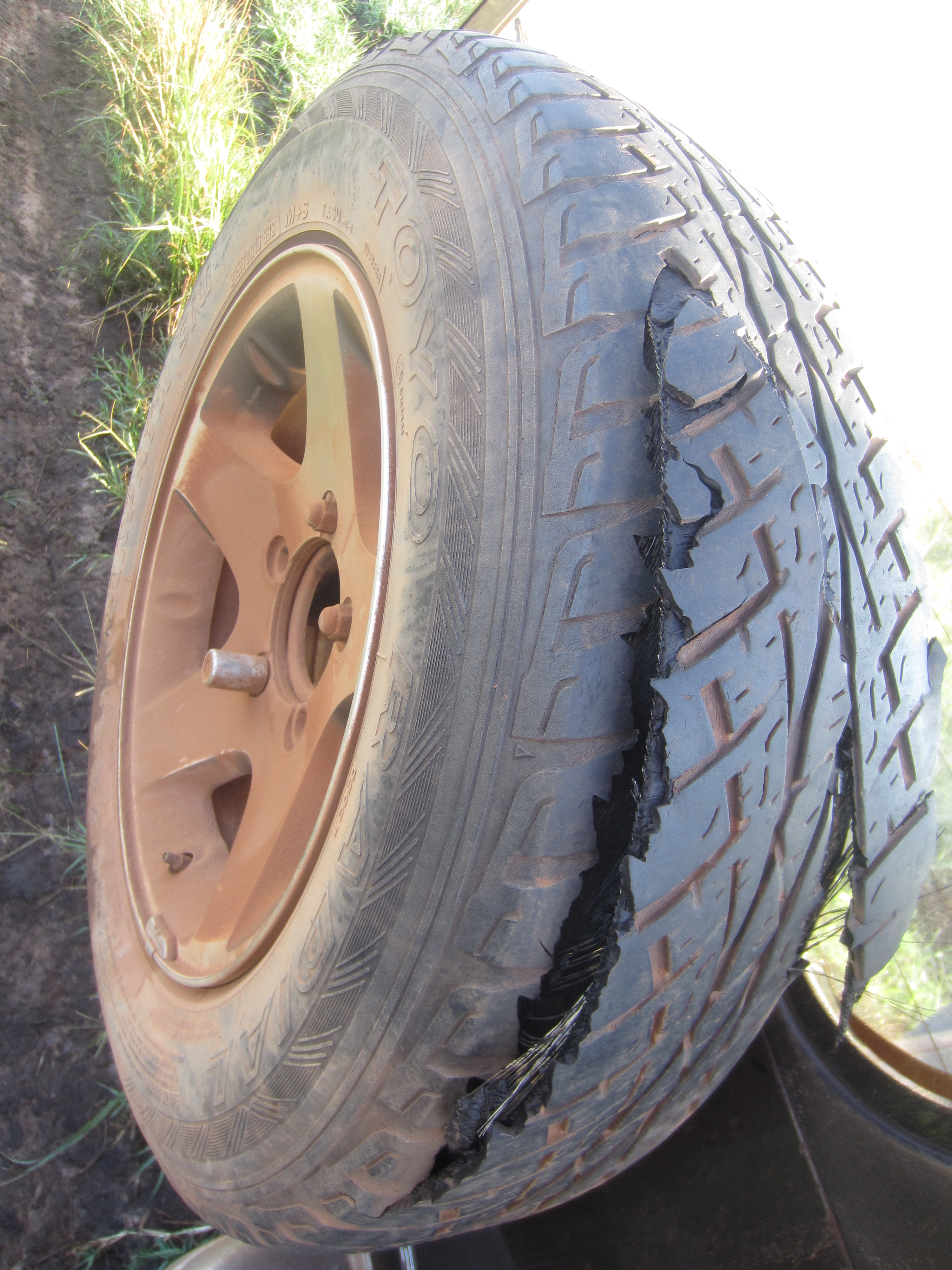
Of course, a puncture is a bit of a regular occurrence driving in Uganda and so, eager to be all manly, I jumped out of the car to change the wheel. I pulled the spare wheel cover off to be met with, not the spare that I had checked just weeks before, but a blown out a tyre.

The only explanation I can think of is that someone must have swapped it at a garage when we weren’t looking. As a swore under my breath it was pointed out that a second hand spare tyre might fetch you about 125,000 UGX (just under £30),or to put into context, about half the average primary school teacher’s wage.

So, back on the phone:

“Hi, yeah. It’s us again.”

“Hello”

“We have a flat tyre”

“Sorry”

“And our spare tyre has been swapped for a bad tyre”

“Sorry”

“Can you help?”

“We will send someone”.

Two hours later, some very friendly UWA officials did turn up and then drove us an hour outside of the national park to the nearest trading centre (to the untrained eye it might have just been a small village but we were assured it is a trading centre).

Half an hour and 15,000 UGX (£3.50) later our tyre was fixed and back with us.

As the UWA staff left us, they departed with eternal advice:

“Please try to not get stuck again”

Exploring Uganda is incredible fun and it holds a variety and depth of beauty unmatched by anywhere I have travelled but, and this is a big but, it is not always easy.

Leave a comment

Filed under Travel, Uganda

My love affair with Kampala

I am on an elongated honeymoon with city in which I live, Kampala. A rational mind living in this city would see the congestion, the number of motorbike accidents, and the levels of petty theft, but the mind of a lover is anything but rational.

My mind sees green hills, standing pert overlooking the beating heart of the city centre. It sees the taxi buses that serve as the blood flow of the city, bringing life to each of its extremities.  It sees the millions of people swarming through this landscape, each like an atom of the body, for a limited period, an inseparable part of this wider being – Kampala.

The irrationality of my mind was brought into focus a few days ago when I was walking back from work over one of Kampala’s hills. On this occasion the weather was close and heavy. It had been raining most of the day and it felt like there was more to come.

On this day, a thick mist was rising from the sodden ground and dancing in the air with the heavy low clouds. Walking through this was like entering a steam room as the thick air stuck to the inside of my lungs.

For most in Kampala, their thoughts in these few minutes were on finding shelter before once again the heavens opened. My mind though, was caught in that moment, enjoying it, literally breathing it in.

I stopped and stood, just for a few seconds, and watched the moisture lift from the ground and glide through the overhanging tree branches. Through the mist I caught glimpses of other houses and people making preparations for the inevitable downpour. But for those few seconds, it felt like I was alone in the city.

The air of Kampala was slipping into me, dissolving the distinction between the two of us, for a few seconds making us one.

Of course the sky then opened dropping heavy thunderous balls of rain. Every other resident was dry under shelter as I was striding through the streets with thick red mud clinging to my feet.

Somehow though, I didn’t mind, I still enjoyed it.

As with every honeymoon, I know this will all end. I know there will be a day where I will be walking the streets and feel my wallet slip from my pocket as the sun burns that bit harder onto the back of my neck  and I will long for nothing more than the soft comforting embrace of the temperate valleys from which I am from.

But that day is not here yet and so, just like every other lover around the world, I will continue forwarded, blinkered by the beauty of all that sits around me appreciating it to its fullest.

1 Comment

Filed under Travel, Uganda

Time travelling in Uganda

Ssese 1There is a generation for whom Goa (circa 1990s) holds a certain reverence – a timeless perception of freedom. The sight of bronzed bodies tattooed with Indian gods bouncing in near hypnotic ecstasy on Goa’s beaches is an image that is engrained onto a generations psyche.

These days are gone though. Today Goa has replaced the hallucinogenics for chilled beers and cocktails. And it is not just the mind altering substances that have changed. So too has the music and perhaps more importantly – the ethos.

The freedom of Goa (circa 1990s) is gone and it is a fool’s game to try and replicate it. It was with hesitance then that I walked into the Hornbill Campsite on the Ssese Islands in Lake Victoria, and my first thought was ‘Goa’.

On first impression, the ‘Goa ethos’ seems alive and well in this run down beachfront campsite.

The German owner sits in a string hammock, his grey hair pulled back into a lose ponytail. He wears ripped jeans and a t-shirt that proclaims the divine nature of cannabis and looks very, well…’Goa’.

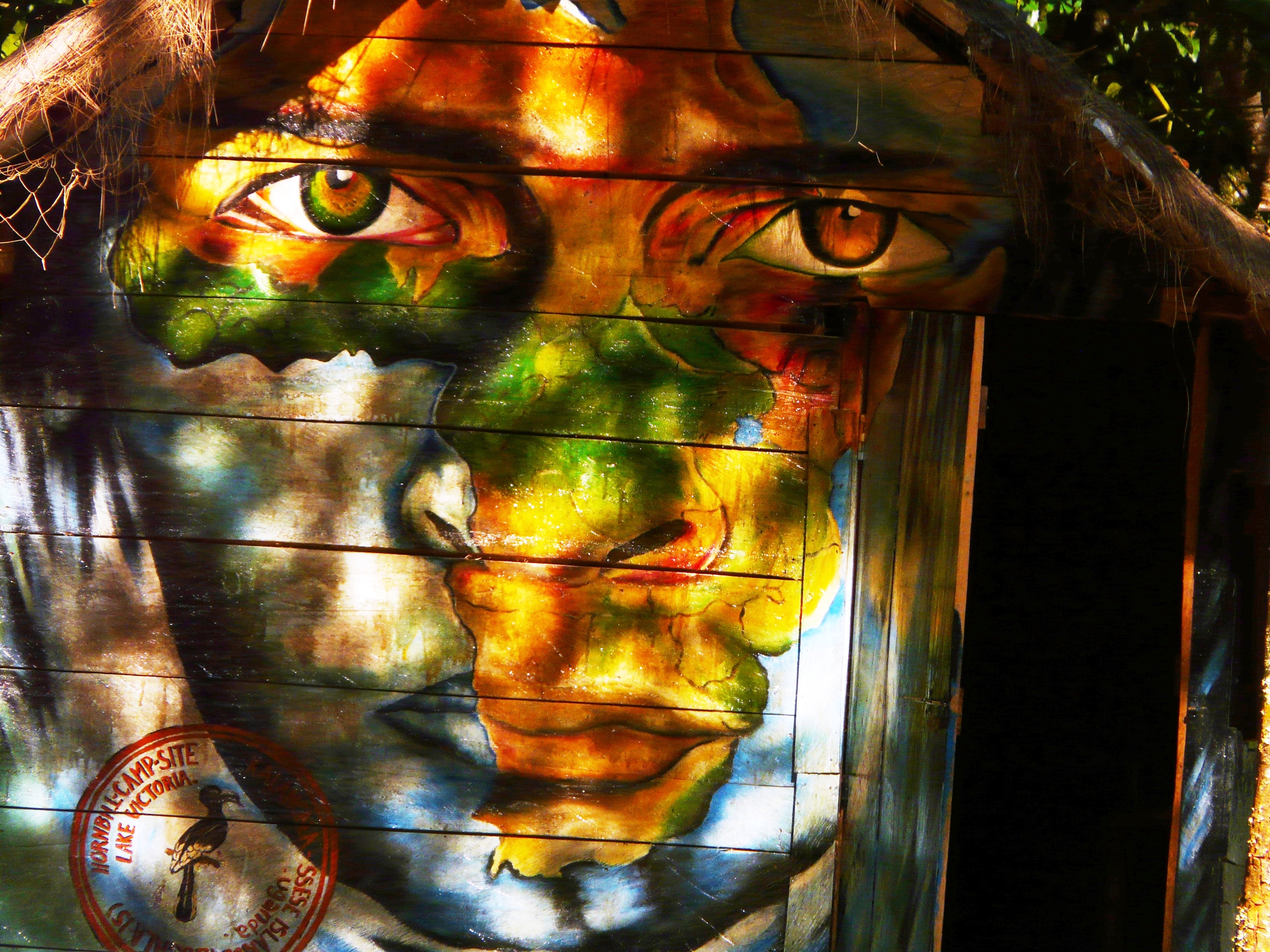
Across from the owner a wooden hut’s door swings on its hinges in the afternoon breeze. Inside the hut sits a simple single bed that can be hired for a nominal charge. The outside of the hut is painted with murals of faces that stare out through integrated maps of Africa and are decorated in a psychedelic array of colours.

Ssese 2In the early evening light, the owner’s eyes follow an abundance of wildlife that drifts through the campsite. Birds flitter between tree branches, chickens scratch and peck in the lake-front soil and monkeys rustle in the bushes just behind the bar.

Walking into the Hornbill campsite really does feel like you have time travelled back to Goa circa 1990s.

On closer inspection of this alternative reality though you begin to see that at best, this isolated campsite is a reflection of something that has come and gone.

The hammocks look older than their owner and the murals painted on the wooden shacks are fading in the sunlight.

As the sunsets on this small strip of idyllic beachfront, so what remains of the ‘Goa illusion’ also disappears.

Next door a Justin Timberlake club remix shatters the night’s silence and reminds everyone within the near vicinity that these islands are not just a hippy get away but are also used by a growing group of Ugandan fasionistas.

Sat around the campfire that night, bottles of cheap red wine are passed around between strangers as the conversation meanders over the top of distant music.

Speaking to others sat around the fire it is clear that the Islands get mixed reviews. For some the Ssese Islands are a flashback to an ethos and way of travelling that has come and gone. For others though, this flashback is a faded reflection and the Islands are crying out for new energy, infrastructure and most importantly, investment.

Uganda is not going to be the next Goa, but it has got the most earth shatteringly beautiful Islands perched in middle of one of the biggest lakes in the world that could be the perfect backpackers get away. To utilise this though, something though has to change.

Ssese 3

2 Comments

Filed under Travel, Uganda

From war zone to tourism: the transformation of northern Uganda

The people of Agoro in northern Uganda were some of the worst hit by the Ugandan civil war. As the village slowly recovers, Steve Hynd from the Mountain Club of Uganda visits Agoro to explore the surrounding mountains and what role tourism might have in the regions recovery.

The car pulls up next to two piles of red mud bricks. Behind are a handful of thatched mud huts that mark the edge of the village of Agoro. Ahead, beyond the mud bricks , is another collection of mud huts. The latter are UPDF army barracks. The pile of red mud bricks is the checkpoint into the barracks that cannot be passed until ‘clearance’ has been approved.

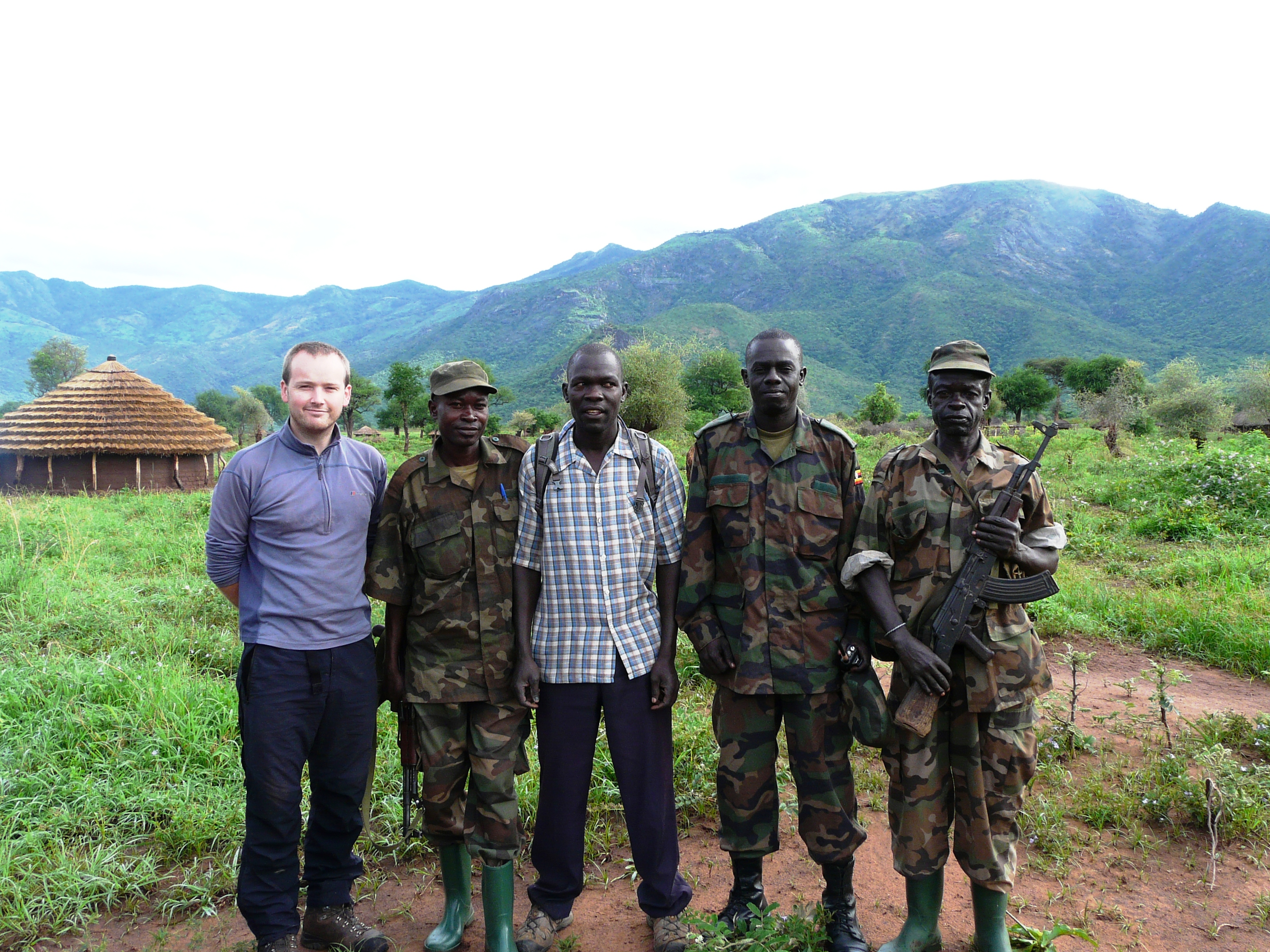
A smartly dressed soldier appears and waves the car through. The soldier introduces himself as Lieutenant Everest. Dressed in ironed khakis and polished leather boots Lt Everest stands tall with his chest puffed out. His appearance would have been archetypically military if it wasn’t for his curious grin and unashamed enthusiasm.

When the prospect of climbing the surrounding mountains is mentioned, the aptly named Lt Everest describes in some detail the security challenges. He talks about the landmines that line the border with South Sudan and claimed a UPDF soldier’s life in 2011 and countless other lives during the civil war. He also talks though about the ‘potential’ of armed conflict breaking out from over the border.

The village had been spooked recently by reports that Kony, the wanted Ugandan war lord, is being harboured by Sudan.

The village which is two hour’s drive north of Kitgum, the most northerly town in Uganda, has every reason to be on edge. Agoro has been devastated by 17 years of almost continuous civil and tribal conflicts. Many people have been killed or forced into fighting for rebel factions including Kony’s notorious Lord’s Resistance Army.

Human Rights Watch (HRW) have documented wide spread human rights violations including reports of cutting the lips and breasts off women who dared leave the internally displace people (IDP) camps.  Agoro’s children were also hit particularly hard.

The Lord’s Resistance Army, notorious for its use of child soldiers, operated heavily in the area. One 12 year old child from Agoro told HRW how he was beaten until he agreed to kill a civilian. His experience is sadly not unique.

In light of this very recent history, Lt Everest’s opinion that armed guards were a necessity for any mountaineering expedition had to be taken seriously, despite the relative stability and peace of recent years.

Pub 4Two soldiers, carrying nothing but dust covered AK-47s led the way through the fertile fields in plastic wellington boots with the local guide, Jeffery, following suit. As Jeffery walked he pointed with obvious pride the varied fruit and vegetables that flanked the small path that he was walking.

This pride stems from both the villages new 680 hectare irrigation system and, in contrast, the near starvation that many in the village faced just a few years previously. The International Rescue Committee described Agoro’s recent history saying:

“Most of Agoro’s residents had been driven from their homes into a makeshift camp that grew up around the local trading center. These displaced farmers, with little space or incentive to grow their own food, lived on relief rations provided by the United Nations.”

It is no surprise then when Jeffery takes pride in both being able to walk freely through the fields but also being able to reach up and pick some mangoes from near-by trees.

These agricultural fields sit in the bottom of a valley which is encircled by imposing mountain peaks, the highest of which on the Ugandan side of the border stands at over 2,800 meters.

As the agriculture gives way to uncultivated bamboo forest though, so the path soon disappears. The soldiers though march on insisting that they regularly walk these routes for ‘surveillance’. The pace of the walk drops only occasionally to drink some water or to stand for a nervous few seconds as everyone waits for a snake to slither off.

The higher up the ‘path’ goes, the less apparent the ‘path’ becomes.  So, the last hour before summiting is spent scrambling through thick grass up improbably steep slopes. The soldiers who at the bottom seemed at best bemused about why anyone would want to go to the top of the mountain are now clearly enjoying themselves.

Standing on top of the peak the soldiers explain that we cannot go any further in case the South Sudanese soldiers see us. “It might cause problems” says the younger of the two soldiers as he pulls a cigarette out of his shirt pocket.

As he explains this though, he does not look up to the border of South Sudan but instead he looks out over the plains that stretch for miles out to the south. The plains are dotted by the volcanic mountains that hint at the potential for other walks in the area.

Pub 7Just as the agriculture of the plains is booming in this formally ‘no go’ area of northern Uganda, the potential for tourism is also growing.  The Ugandan Tourism Association has documented the so far mainly untapped tourism potential of northern Uganda. There is no reason to think that Agoro could not be at the heart of this tourism revival.

The village of Agoro has seen an unimaginably difficult couple of decades loosing men and women and children in a bloody conflict. This history requires visitors to be sensitive to such loss, but should not stop them from coming.

As we leave Agoro, we say good bye to Lt Everest and thank him for his help. We pull up at the pile of red bricks that mark the entrance to the army barracks and Lt Everest, now in civilian clothing, beams a smile at us and says, “Tell your friends to visit, they too can be our guests.”

Steve Hynd is a freelance journalist based in Kampala and is a member of the Mountain Club of Uganda

6 Comments

Filed under Outdoors, Travel, Uganda, War

Photo essay – palliative care workers from francophone Africa

I am not a photographer, and would never claim to be. But these are photographs that I took of a few of the participants of the palliative care training course for francophone Africa that is currently being held at Hospice Africa Uganda. Some of these photos are published on the African edition of ehospice.

1 Comment

Filed under Health, Photography, Uganda

The State of Play: Education in Uganda

This is a guest post by Anya Whiteside who is the Education Advocacy Officer at the Forum for Education NGOs in Uganda (FENU).  She is also my partner and her blog can be found  here

I ask students what they think about their education in a learners workshopBack in 1997 Uganda was proud to lead the way in the provision of universal primary education. Enrollment boomed from just 2.5 to 8.8 million and this was seen by many as a major success.

Despite this seemingly rosy picture, Uganda is a clear example of how focus on access to education alone is not the be all and end all and is not the same as a good education.

It is generally recognised that in Uganda education is in crisis, a crisis that needs urgent action.

Although enrollment has remained high the drop-out rates in Uganda are also high. Uganda’s completion rates in primary education are only 25%. This is compared to 84% in Kenya, 81% in Tanzania and 74% in Rwanda.

Even for the minority of children who stay in school in Uganda the picture is not much better. A report recently released by the government confirms what teachers, politicians, parents and children already know; that even children who stay in school are not learning.

The NAPE report states that for P6 pupils who are at the end of primary school, only 45% of them have reached proficiency in numeracy and only 41% in literacy. As the report starkly puts it ‘less than a half of the P6 pupils have mastered most of the competencies in the P6 curriculum’.

Most worrying of all the results show that education results aren’t improving, and are worse than the results in 2009.

There is not doubt that Ugandan education faces many challenges. Uganda has the second youngest population in the world with 55% of the population under 18 years. When universal primary education was introduced children flooded in to access ‘free’ education with schools and teachers overwhelmed. There are no-where near enough teachers, classrooms, books or sanitation facilities to teach all these children.

It is not uncommon to have teachers attempting to teach classes of over 100 and children taking it in turns to use a pencil. Children often come to school without lunch and so are sat all afternoon hungrily waiting for the end of the day.

But political will is also an important element in this. The percentage share of the Uganda national budget dedicated to education has fallen from 17% in 2007/8 to 15% for 2013/14.

This situation is likely to only get worse after aid donors pulled out after allegations of corruption by the prime ministers office, leaving sizable holes in the education budget.

Funding to government primary schools comes in the form of a grant given per child, per year to each school. On average this is 5,000 Ush (about £1.25) per child per year, so it is unsurprising schools charge parents significant, often unaffordable extras for books and uniforms.

Unlike other countries, where even if they are not paid enough teachers are afforded at least some degree of respect in the local community, in Uganda teachers are considered socially at the bottom of the pile. In government primary schools teachers are paid an average of 260,000Ush a term (£65 a term).

To give you some context, VSO gives me a stipend of 895,000Ush (£223) a month which is meant to cover my basic living costs, excluding accommodation. So you can see that being a teacher is not exactly economically desirable.

When you add to that the appalling delays that teachers experience, waiting months for their salaries due to inefficiencies, it is unsurprising that teachers often don’t turn up or have additional jobs on the side.

Teachers are also not given good training and the style of teaching is extremely reliant on teaching by rote. A colleague of mine told me how she sat in on a teacher training course where the lecturer, with no irony, started by saying ‘in teaching the most important thing is to be interactive and not just talk at students’ and then proceeded to talk at the teachers for several hours.

Teachers are rarely, if ever, inspected and there is little support or ongoing training. On top of this they are blamed consistently for the poor state of education in Uganda – no wonder no one wants to be a teacher!

So is there any hope for education in Uganda?

I would argue that there is, based on all the people I have met who are dedicated to improving education. Everyone knows what the problems in education are and the buzz-word at the moment is ‘quality’ education.

The organisation I work for (FENU) helped to set up the new ‘Parliamentary forum on quality education’. A few weeks ago FENU coordinated the first ever ‘Quality Public Education Week’ which saw Anglican, Catholic and Islamic leaders (70% of schools are linked to religious institutions) come together with trade unionists and politicians. This focus on quality is important, especially as it moves away from only focusing on getting more children into school and also looks at the education those children are receiving.

There are so many different challenges to education here, and I haven’t even touched on child labour, gender inequalities, capital punishment, secondary schooling or vocational training.

Nonetheless there are inspiring people working for change, and no end to the children keen to learn if they are only given the opportunity to do so.

4 Comments

Filed under Politics, Social comment, Uganda